01
The page — that is the product
A file in output/ a stranger can hold. Course Brief, Desk Panel, Weekly Run, or First Reply. If they have to open the chat to understand it, it is not done.
Undergraduate Session · Fall 2026 · Waltham, MA
Five Tuesday evenings. Next to your degree. Not instead of it. Not a paper. Not a chat you cannot restart on Wednesday. A named project on your laptop, standing orders in a file, and one workflow from work you already do.
Night 1
Sep 22
Name the job. Create the Claude Project. Put real files on disk.
Night 2
Sep 29
First draft lands in output/. You can point at it.
Night 3
Oct 6
Connect one real source — Gmail, Calendar, Sheets, or search. Sandbox unless you and a faculty mentor choose otherwise.
Night 4
Oct 13
Break it. Lock one rule in CLAUDE.md so it still works after you quit.
Night five · present
Oct 20
Cold start. You press go. You walk the room through the file that appeared.
Sep 22–Oct 20 · 6:00–9:00 p.m. · LaCava Center · screenshot this for a roommate.
The outcome. Same for every seat.
Track only names whose mess it serves — a course, an internship, a club, a family shop. The thing you present is always these four. If any one is missing on Oct 20, the step is still open.
01
A file in output/ a stranger can hold. Course Brief, Desk Panel, Weekly Run, or First Reply. If they have to open the chat to understand it, it is not done.
02
On Oct 20 you drop this week’s files and run one prompt. The page appears. The instructor points. He does not type on your laptop.
03
Claude Desktop. Name: [Job] — [Course or org]. Folder: Documents / AI-Rocket / [Name]-[Job]. This is how you find it next week.
04
A file named CLAUDE.md. What it does. What it must never do. Quit Claude. Open it again. It still knows the job.
Sample output · research track
SAMPLE. An HTML page the system writes to output/. A professor opens it in a browser. No PDF. No chat transcript.
Most of the tool is sitting unused
You own a personal jet. You're using it to go to the corner store.
Everyone in your class uses AI. Nobody can show you what it built for them. In five weeks, you will.
Why this year is different
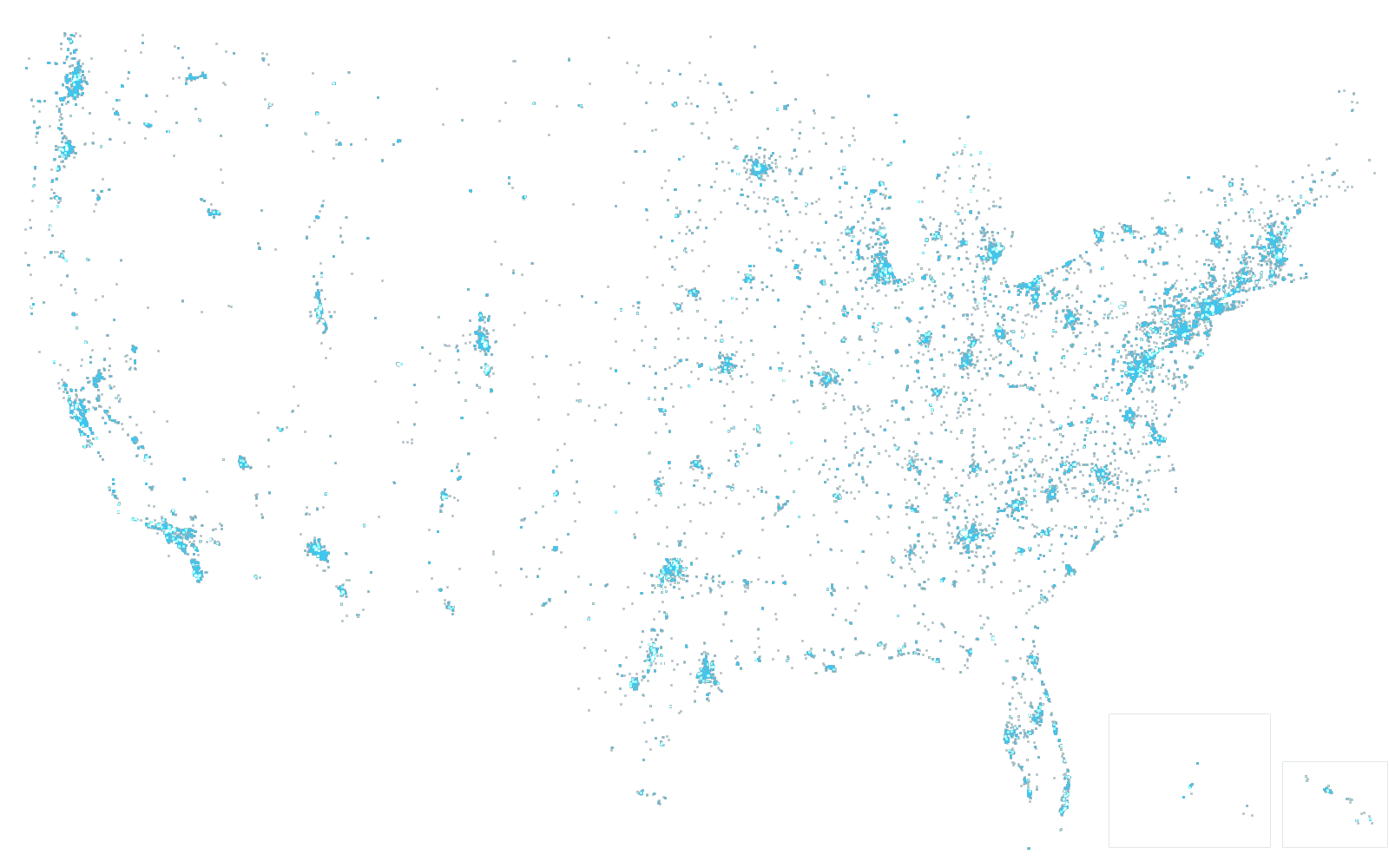
Claude went from 60 million monthly users in January to 260 million in September. At this pace it is about 360 million by January 2027. Classmates still use it to polish a paragraph. Employers will ask what you can run — not what you can paste.
Family: this is why five Tuesdays sit next to the degree. Friends: this is the file you can send them. A future employer: this is the project that still works after the chat is closed.
If they stood on a map of the United States
60M
Jan 2026

East Coast
260M
Sep 2026
Through the Midwest
360M
estimate · Jan 2027
The whole country
What that looks like in three minutes
Start with a real pile you already own — your notes, receipts, emails, a spreadsheet, a folder of PDFs. Build the system that turns that pile into one finished file: a report, a schedule, a tracker, a summary.
You are not judged on the conversation you had with the AI. You are judged on the thing it produced.
Course Brief
Desk Panel
Weekly Run
First Reply
Who sees it
Night five is Oct 20. The instructor does not present for you. Faculty and family are invited. Bring classmates. A local employer can sit in.
They read the brief or the panel. They do not have to trust a chat transcript.
Night five is a critique. You stand up. They see the file.
Invited Oct 20. They watch you press go. That is what the five Tuesdays were for.
A named project you can restart, not a certificate of attendance.
What the session adds
You press go. A page appears. You hand it to faculty and family. That page is the product. Not a certificate. Not credit.
Next week you drop new files and press go again. You do not rebuild the project.
AI Rocket Undergraduate Session (Fall 2026). Built and presented a working AI system for [Course Brief / Desk Panel / Weekly Run / First Reply], alongside coursework. Waltham, MA.
Not a paper the session writes for you. Not a job-hunt chatbot. Not a campus-wide app. Not a replacement for faculty or career services.
Four tracks. Pick one on the application.
Each track finishes in five evenings and extends work the student already does.
Course Brief
Desk Panel
Weekly Run
First Reply
Why this sits next to the university
A university education is the foundation — judgment, writing, numbers, a field of study, and the people who teach it. That work takes years. It should. Nothing in this room replaces a professor, a syllabus, or a diploma.
The corner store is not the problem. Stopping there is. Most students already use AI to polish a paragraph. Fewer have a place, in the evening, to direct a system that helps a research project, an internship, or a campus organization — and then show that system to faculty.
This session is those practice hours. Students stay enrolled. Faculty are guests on Oct 20. The university keeps the credit. The student keeps the system.
The five Tuesdays
Sep 22 to Oct 20, 6:00–9:00 p.m., LaCava Center. Built to fit beside a full course load — not to compete with it. Claude Desktop is installed before night one so Tuesday is studio time, not setup time.
Sep 22
Name the job. Create the Claude Project. Put real files on disk.
Sep 29
First draft lands in output/. You can point at it.
Oct 6
Connect one real source — Gmail, Calendar, Sheets, or search. Sandbox unless you and a faculty mentor choose otherwise.
Oct 13
Break it. Lock one rule in CLAUDE.md so it still works after you quit.
Oct 20You present
Cold start. You press go. You walk the room through the file that appeared.
Night five · Oct 20
You open the system. You walk a professor, classmates, family, and a local employer through what it does. This is a studio critique, not a replacement for a class presentation, and not a certificate ceremony.
If you cannot picture standing there on Oct 20, do not apply. The five evenings exist to earn that night.
Who the 27 are

Who runs the studio
A Waltham business owner who built this company's operation with AI systems. He is a practitioner in the room, not a substitute for faculty.
Tuition
$1,997
Applying is free. Studio tuition for five supervised evenings — not university tuition, and it does not buy credit. Nothing is billed until you accept the seat.
This is not a Bentley course and not for credit. Your student stays enrolled. On Oct 20 you can sit in the room and watch them present a system they built on their own laptop. The application asks who pays — student, parent, split, or sponsor — so that is settled before a seat is offered.
The fine print, up front
A page that appears when you press go — a Course Brief, Desk Panel, Weekly Run, or First Reply. Plus the Project and CLAUDE.md so you can run it again next week. The university keeps the credit. You keep the machine that prints the page.
No. It lives on Claude Desktop. You name it, you run it, you show the file it produced. If it only works while a chat is open, it is not done.
No. Students stay enrolled. This is an evening studio — five Tuesdays next to the semester, not a substitute for it. Credit, majors, and graduation requirements stay with the university.
No. The room is in the LaCava Center at Bentley University. The session is run by AI Rocket, an independent Waltham studio. We are grateful for the campus setting. We are not a university department and we do not speak for the institution.
Faculty are invited to night five on Oct 20. Students are encouraged to choose a pile a professor would recognize — a research thread, an internship, an organization they already serve.
No. You work on your own laptop. What you need: comfort in a browser, real files from your studies or work, and Claude Desktop installed before night one.
LaCava Center at Bentley University, 175 Forest Street, Waltham, MA 02452. Parking on site. Reachable from Boston by commuter rail or car.
A laptop with Claude Desktop installed before Sep 22, and a paid Claude plan ($30 per month). The day you are admitted you get a short setup note so Tuesday evening is studio time, not install time.
Only if admitted. Applying is free. Nothing is billed until you accept the seat. Tuition is $1,997 for the five evenings.
The same 27 people every night. All five evenings are the deal. If the semester already owns those hours, do not apply — a half-used seat is a seat another student needed.
Apply
Tuition is $1,997 — billed only if admitted. Name the project you will present on Oct 20.
The line that sits beside the degree
AI Rocket Undergraduate Session (Fall 2026). Built and presented a working AI system for [use case], alongside coursework. Waltham, MA.
27 seats. You present Oct 20. Starts Sep 22.
Undergraduate Session · Tim Regan · AI Rocket · Waltham, MA · tim@airocket.pro
An independent studio hosted in the LaCava Center. Not a university course. Not for university credit. Offered as an extension of a student's studies.